
Nicotine pouches are available in several formats, each featuring distinct characteristics related to size, texture, moisture, flavor, and packaging. Understanding these differences helps adults recognize product specifications and interpret the information presented on labels. Careful product descriptions also make comparisons more straightforward, especially when examining items associated with the German market. However, nicotine is addictive, and these products are not risk-free.
Understanding Different Pouch Formats
Physical design plays an important role in defining the characteristics of nicotine pouches. Manufacturers may offer different shapes and sizes to distinguish individual product varieties.
- Slim pouches: These have a narrow shape and compact appearance, making their dimensions easy to identify.
- Mini pouches: Smaller proportions distinguish this format from larger alternatives, while packaging communicates its basic specifications.
- Standard pouches: These feature familiar proportions that allow consumers to compare dimensions and product descriptions.
- Moist pouches: Their moisture content influences texture and other physical properties described on product labels.
- Dry pouches: These have a different moisture profile, making the distinction between dry and moist formats useful when reviewing product information.
In Germany, product labeling and packaging details help communicate essential characteristics, allowing readers to examine specifications with greater clarity.
Distinctive Product Characteristics
Beyond physical dimensions, several measurable features distinguish one pouch format from another. Reviewing these details provides a clearer understanding of product composition and presentation.
- Nicotine content: Labels may indicate the amount per pouch or another defined measurement, so checking the units is important.
- Moisture level: This describes the product’s water content and contributes to its physical properties.
- Texture: Differences in material and consistency help distinguish formats within product descriptions.
- Flavor information: Descriptions may identify flavor profiles without changing the importance of checking nicotine strength.
- Pouch material: The surrounding material influences the product’s structure and overall presentation.
- Portion size: Individual pouch weight provides another useful comparison point when reviewing specifications.
German product descriptions may emphasize these characteristics, helping readers understand the differences between formats without relying solely on visual appearance.
Packaging and Label Information
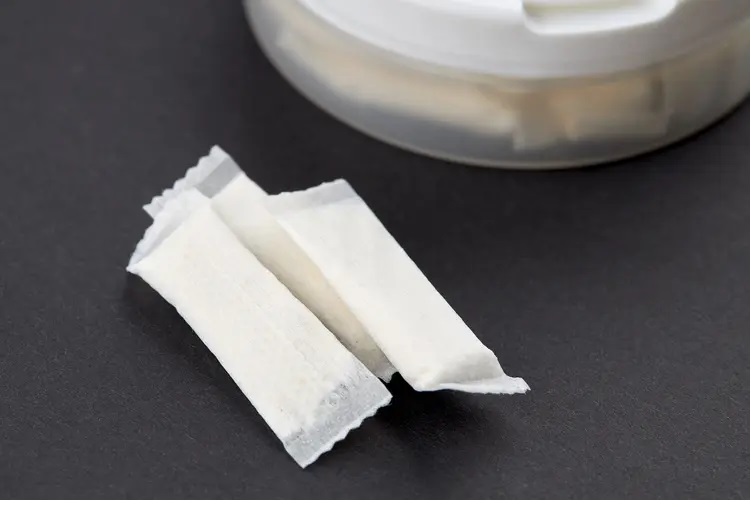
Packaging provides an organized way to communicate product details. Clear labeling supports informed awareness and helps readers identify important information before making comparisons.
- Ingredient lists: These describe the listed components and support closer examination of product composition.
- Strength declarations: Nicotine quantities should be checked carefully, including the measurement units used.
- Storage instructions: Packaging may explain how products should be stored to maintain their stated characteristics.
- Warning statements: Health warnings communicate nicotine-related risks and should always be reviewed.
- Batch information: Identification details can help distinguish individual production batches.
When examining products associated with Germany, readers can compare these labeling elements while paying attention to applicable requirements and clear safety information.
Comparing Formats Responsibly
A structured comparison makes product characteristics easier to understand. For example, garant extreme can be considered a search term when reviewing product-related information, but its presence alone does not establish a particular composition or quality.
German market references may also appear alongside descriptions of pouch dimensions, ingredients, and nicotine quantities. Readers should verify such details directly from reliable packaging information rather than assuming that similar formats share identical specifications.
Ultimately, understanding pouch formats involves examining size, moisture, texture, composition, and labeling together. These details provide a clearer picture of product differences while keeping health warnings and nicotine’s addictive potential central to responsible awareness.
Comments are closed, but trackbacks and pingbacks are open.