
Creating healthier properties begins with thoughtful building practices that prioritize indoor air quality, occupant comfort, and long-term structural performance. Vapor mitigation methods provide valuable protection by managing unwanted soil gases and reducing their potential movement into indoor spaces. With carefully planned solutions, property owners can support cleaner environments, improve building efficiency, and maintain comfortable surroundings. Reliable mitigation strategies also contribute to responsible property management by addressing environmental considerations through practical and sustainable measures.
Understanding the Importance of Vapor Mitigation
Vapor mitigation focuses on controlling the movement of unwanted gases from beneath buildings into occupied areas. Effective systems create protective barriers and manage vapor movement through carefully designed mechanisms.
Key benefits include:
- Supporting healthier indoor air quality through consistent vapor management.
- Reducing unwanted soil gas entry into occupied spaces.
- Improving overall building comfort and environmental conditions.
- Supporting long-term property protection through preventive measures.
- Encouraging responsible construction and maintenance practices.
- Creating greater confidence in indoor environmental performance.
These advantages make vapor mitigation an important consideration during property development, renovation, and ongoing building maintenance.
Reliable Methods for Effective Vapor Management
Successful mitigation depends on selecting appropriate techniques according to building characteristics, site conditions, and environmental requirements. A well-planned approach helps maintain dependable performance while supporting building functionality.
Common methods include:
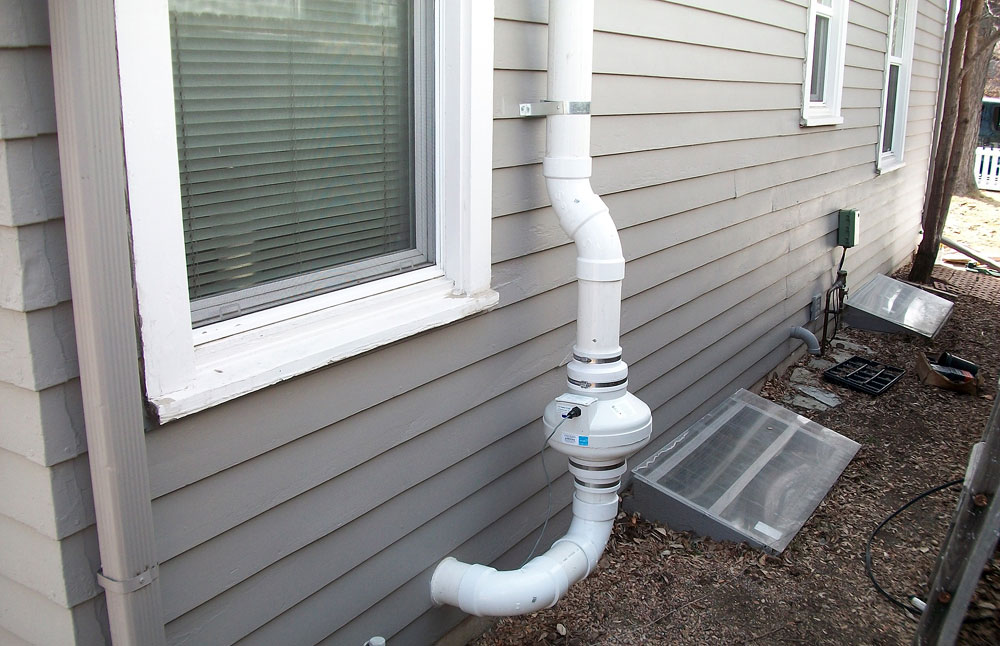
- Sub-Slab Depressurization: Uses specialized systems to redirect soil gases away from building interiors.
- Vapor Barriers: Installs durable protective materials beneath foundations to limit unwanted vapor movement.
- Active Ventilation: Encourages controlled airflow beneath structures to manage accumulated gases.
- Sealing Techniques: Addresses foundation openings, joints, and penetrations to minimize potential entry pathways.
- Monitoring Systems: Helps evaluate system performance and identify opportunities for continued improvement.
Combining suitable methods creates a comprehensive approach that supports healthier and more comfortable properties.
Planning and Maintaining Long-Term Protection
Proper planning plays an important role in achieving consistent vapor mitigation results. Initial assessments help identify relevant environmental conditions and determine suitable protection strategies. Experienced professionals can evaluate building requirements and recommend practical solutions that align with long-term property objectives.
Property owners can strengthen ongoing performance through several positive practices:
- Schedule periodic inspections of installed mitigation components.
- Maintain ventilation equipment according to recommended guidelines.
- Check protective barriers and foundation sealing for visible damage.
- Review monitoring results to understand system effectiveness.
- Address maintenance requirements promptly to preserve performance.
- Keep appropriate installation and inspection records for future reference.
Access to helpful educational resources can also make property planning easier. Owners seeking additional information about suitable approaches can click here to explore relevant guidance and understand available mitigation considerations.
Supporting Healthier Indoor Environments
Reliable vapor mitigation contributes to properties that prioritize comfort, environmental responsibility, and lasting value. Integrating protective systems into building plans encourages proactive management while supporting consistent indoor conditions.
A thoughtful combination of assessment, installation, monitoring, and maintenance creates a dependable foundation for long-term protection. By prioritizing effective vapor control, property owners can promote healthier indoor environments, strengthen building performance, and create welcoming spaces that support everyday well-being. These practical improvements make vapor mitigation a valuable part of responsible property development.
Comments are closed, but trackbacks and pingbacks are open.